Exercise Selection & Training
The Difference Between an Exercise I Dislike and One That Just Doesn't Work Well for Me
There are exercises I don’t particularly enjoy doing, but that doesn’t automatically mean I should get rid of them. Some exercises are uncomfortable because they’re difficult, I’m weaker at them, or I would simply rather be doing something else. If I removed every exercise I didn’t look forward to, my workouts would probably end up being built entirely around whatever I already enjoy and happen to be good at.
It took me a while to separate that feeling from an exercise that genuinely doesn’t work well for me. I used to think that if an exercise was considered good, I should find a way to keep it in my routine. There are so many exercises that get treated almost like requirements that replacing one can feel like I’m somehow doing my workout wrong.
Now I pay more attention to why I don’t like an exercise. If my answer is basically, “because this is hard,” that isn’t a very convincing reason to replace it. I might hate the last few reps of an exercise while still recognizing that the movement itself feels fine and fits what I’m trying to accomplish.
A good example for me is Bulgarian split squats. I don’t enjoy them at all. They’re tiring, they make each leg feel like it has its own separate workout, and by the time I finish one side, knowing I still have to do the other side is never particularly exciting. But none of that means the exercise doesn’t work for me. I can get into a comfortable position, I know what I’m trying to do, and I can progress the movement. I dislike the exercise because it’s hard, not because I’m constantly fighting the exercise itself.
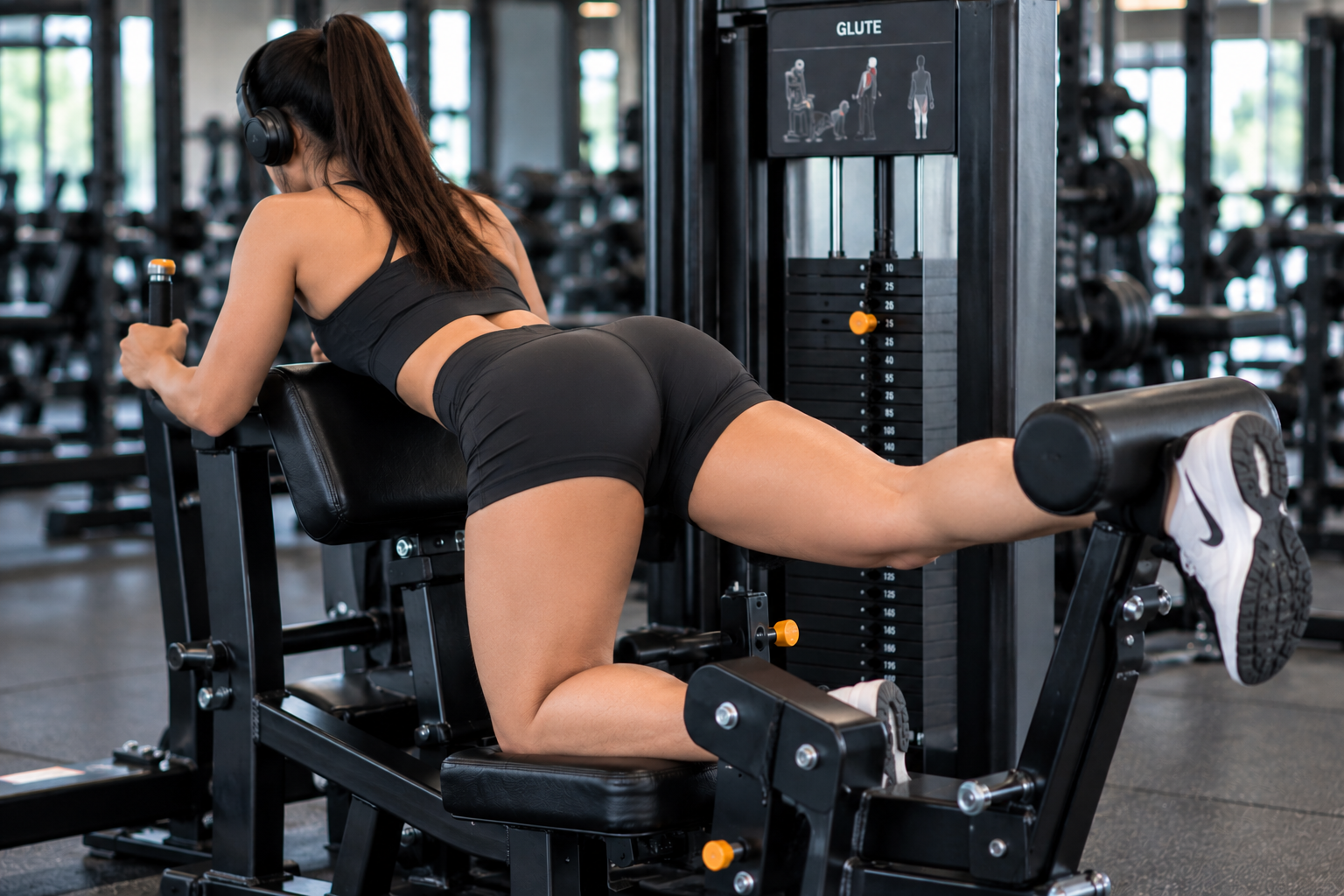
The glute machine is almost the opposite for me. I actually like using it because I can get into position, understand exactly what I’m trying to train, and focus on the movement instead of spending the set trying to make the equipment feel right. It’s an exercise I’m comfortable coming back to because it fits naturally into the way I train.
That contrast has made me notice when other machines don’t work nearly as well for me. If I’m constantly adjusting the seat, moving my feet around, changing my position, lowering the weight, and still thinking more about how awkward the machine feels than the muscle I’m supposed to be training, I start questioning whether there’s any reason to keep forcing it.
That’s when I start asking what I’m actually gaining by keeping it.
I’m not competing in a sport where I have to perform a specific lift, so I usually have more options than I think. If I’m trying to train a particular muscle, there are often several exercises that can accomplish roughly the same purpose. Replacing one movement with another isn’t automatically taking the easy way out.
For me, the important distinction is whether I’m avoiding difficulty or solving a problem. An exercise being challenging is normal. An exercise repeatedly feeling wrong for my body, aggravating something, or preventing me from training the way I want is something I take more seriously.
Pain is also different from simply disliking an exercise. I don’t try to diagnose an injury based on how a movement feels, and persistent or significant pain is something I’d rather stop and have evaluated by an appropriate medical professional than try to work through on my own. There’s no prize for turning a questionable exercise into a test of stubbornness.
Sometimes the answer is much less dramatic. My proportions might make one machine uncomfortable, while another machine for the same muscle feels great. A certain grip might bother me while a different grip doesn’t. I might simply have an easier time controlling one variation than another.
I’ve become much more willing to make those substitutions instead of treating an exercise name like it has some special importance. I care more about whether I can perform the movement consistently, progress it over time, and actually use it for what I intended.
At the same time, I don’t want “this doesn’t work for me” to become an excuse every time something gets difficult. That’s why I usually give an exercise some time before deciding. I’ll adjust the setup, lower the weight, work on the movement, or try a slightly different variation before I write it off.
If the exercise starts feeling better once I understand it, then the problem probably wasn’t the exercise. I just needed to learn how to do it properly for me.
But if I’ve given it a reasonable chance and I’m still fighting the movement every time it appears in my workout, I’m comfortable replacing it. There are too many ways to train for me to spend months forcing one exercise simply because somebody else considers it essential.
I still do plenty of exercises I don’t love. I just want the reason I’m doing them to be better than “this is what everyone says I’m supposed to do.” The goal is to build a workout I can perform well and keep progressing, not to collect exercises I’m miserable doing.
Make sure to check out the Kato Tam fitness coach website for workout tips, daily nutritional insights, fitness motivation and more!