Progress
Stop Chasing Your Body Fat Scale
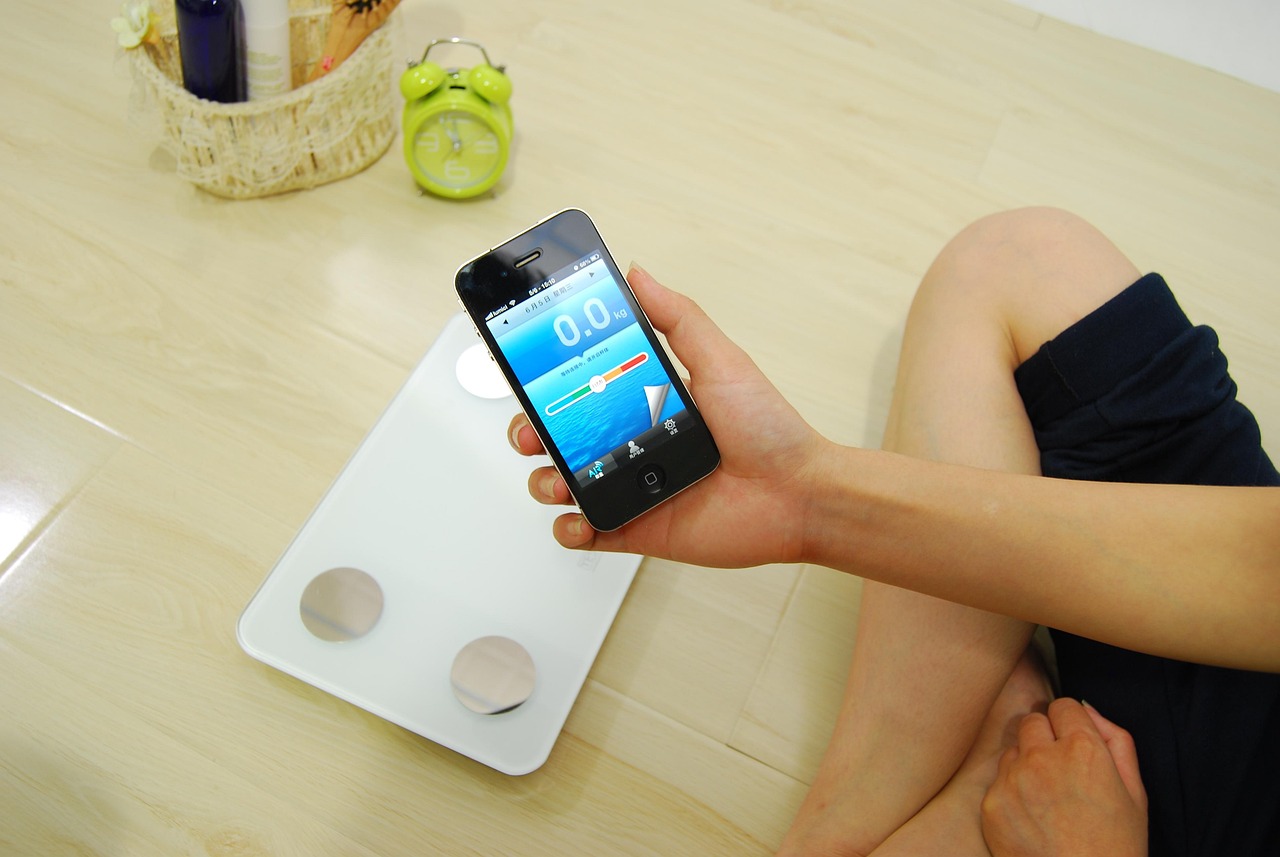
For the longest time, I paid attention to the body fat percentage on my smart scale. It seemed like a great idea. Step on every morning, get a number, and track my progress. The problem is that I eventually realized the number wasn't nearly as accurate as I thought.
One morning my body fat percentage would read 19%. The next day it might say 21%. There is simply no realistic way to gain two percent body fat in twenty-four hours. I hadn't suddenly gained several pounds of fat overnight. My body hadn't changed that dramatically. The scale had.
Most consumer body fat scales estimate body composition using bioelectrical impedance. Things like hydration, when you last ate, when you exercised, and even the time of day can affect the reading. That's why the numbers can swing much more than your actual body fat does.
At first, I thought the scale was useless. Then I realized I was looking at the data the wrong way.
A single measurement doesn't tell me much. One reading can easily be off because I drank more water or worked out the night before. But after weeks or months of weighing myself under similar conditions, a pattern begins to appear. The daily numbers may bounce around, but the overall trend often moves in the direction my body is actually changing.
That's how I use my scale now. I don't care what it says on any particular morning. I care about what it's telling me over the course of several weeks. If the average body fat percentage is gradually decreasing while my strength stays the same or improves, I'm probably headed in the right direction.
The same idea applies to body weight. Our weight naturally fluctuates from day to day because of water, sodium, food intake, and countless other factors. Looking at one number in isolation can be discouraging, but looking at dozens of data points tells a much more accurate story.
I still use my body fat scale every day, but I no longer expect it to tell me the exact truth. I use it because it gives me another piece of information to compare over time. It's less like a precise measuring instrument and more like a weather forecast. Today's forecast may not be perfect, but enough forecasts over time reveal the climate.
Fitness is full of imperfect measurements. Progress photos, strength gains, how your clothes fit, energy levels, and even the mirror all provide useful feedback. None of them are perfect by themselves, but together they paint a much clearer picture than any single number ever could.
I've learned that consistency beats precision. Instead of stressing over whether my scale says 18.7% or 19.4%, I'd rather focus on eating well, lifting consistently, walking every day, and letting the long-term trend speak for itself. In the end, that's the number that actually matters.
Make sure to check out the Kato Tam fitness coach website for workout tips, daily nutritional insights, fitness motivation and more!